Golden Wheat Season: Planning the Perfect Rabi Harvest
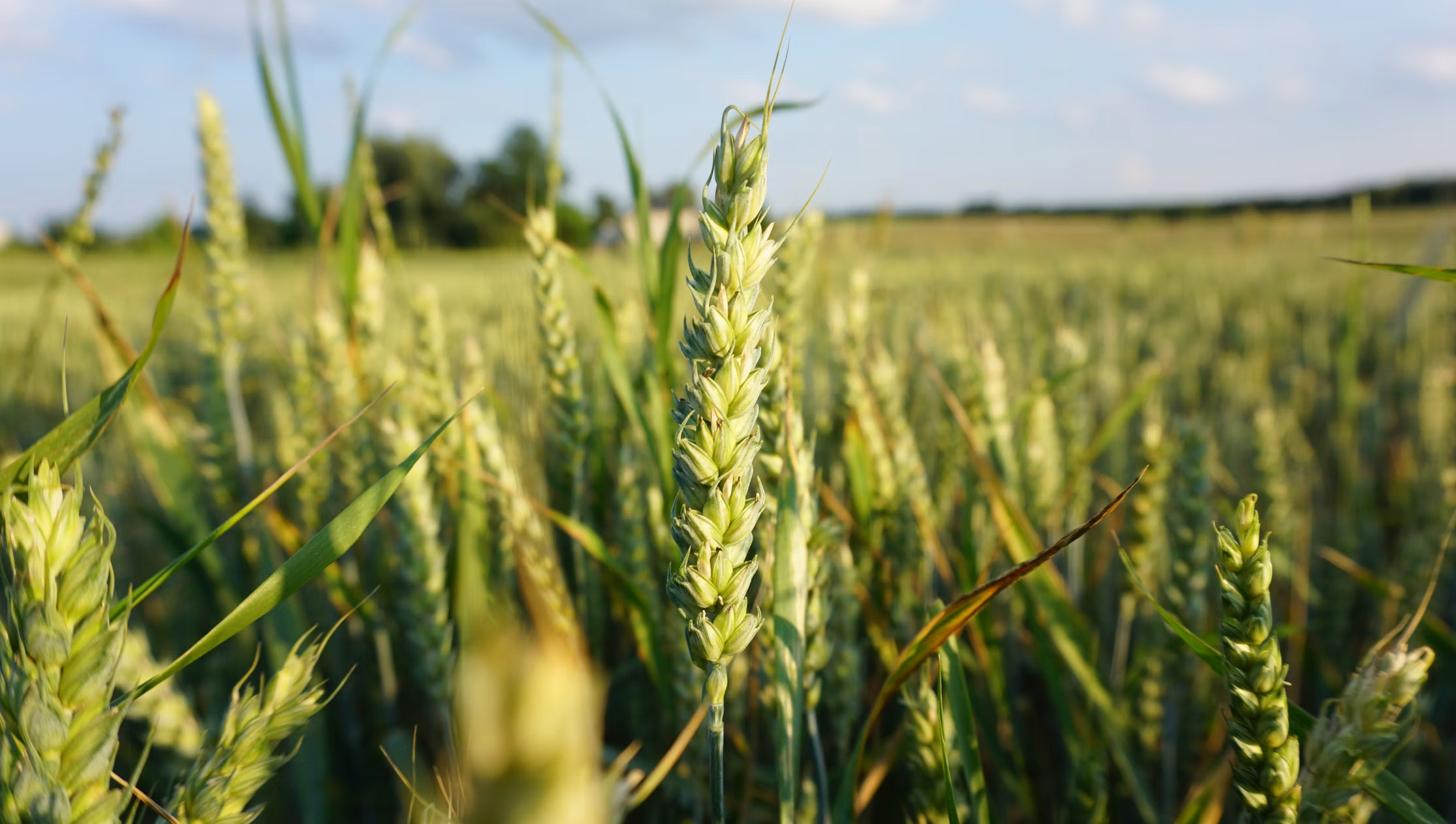
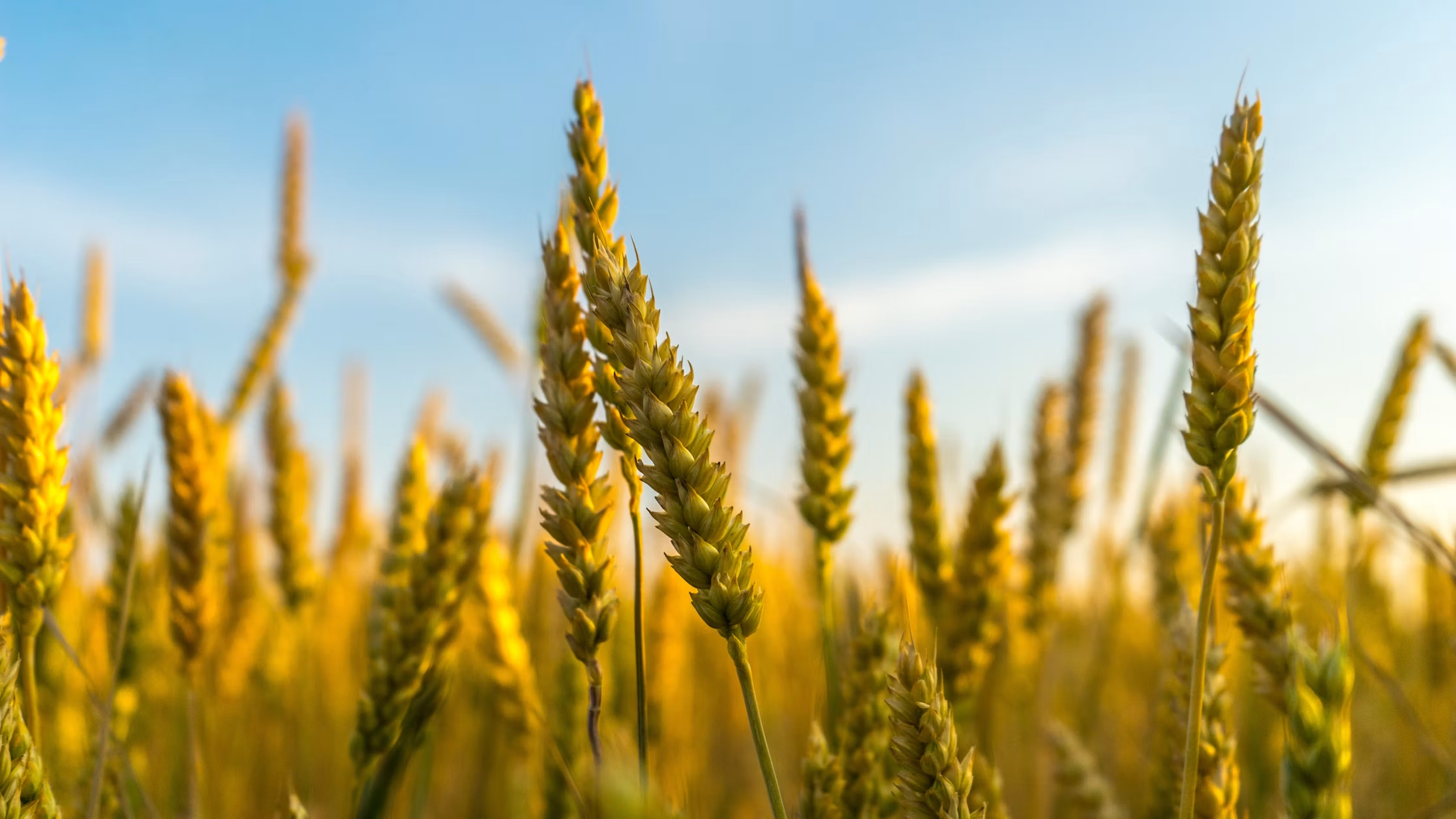
There is something deeply satisfying about a field of mature wheat in the weeks before harvest. The heads are full and heavy, the stalks have turned from green to gold, and the entire landscape seems to hold its breath in anticipation. But that golden moment is the product of months of careful planning — and the decisions made before the first seed goes into the ground determine everything.
Rabi Wheat: Understanding the Season
Wheat is a Rabi (winter) crop across most of India, sown after the monsoon retreats and harvested in spring. The growing window — typically October to April — is characterised by cool temperatures and relatively low humidity, conditions that favour grain development and reduce disease pressure compared to the Kharif season.
India's wheat belt spans Punjab, Haryana, Uttar Pradesh, Madhya Pradesh, and Rajasthan. Each region has its own optimal sowing window, variety preferences, and harvest timing. Getting these right for your specific location is the foundation of a successful wheat crop.
Variety Selection
India's agricultural research system has developed an impressive portfolio of wheat varieties suited to different conditions:
- HD-2967 and HD-3086: High-yielding varieties suitable for north-western plains; excellent disease resistance.
- GW-322: Well-adapted to central India; good performance under limited irrigation.
- K-307: Suited to eastern UP and Bihar; performs well in late-sown conditions.
Always source certified seed from a reputable supplier — seed quality directly determines germination percentage and early vigour.
Sowing: Timing Is Everything
The optimal sowing window for wheat in most of north India is mid-October to mid-November. Sowing too early exposes the crop to warm temperatures that delay vernalisation; sowing too late reduces the growing period and compresses the grain-filling stage, typically reducing yield by 1–1.5% for every week of delay after the optimal window.
Seed rate, depth, and row spacing all influence plant stand and ultimately yield. A plant population of 200–250 plants per square metre is typically the target for timely-sown wheat.
Nutrition Management
Wheat is a moderate to heavy feeder. A balanced nutrition programme covers:
- Basal application of phosphorus and potassium at sowing
- Split nitrogen application — at sowing, crown root initiation, and jointing stages
- Sulphur supplementation in sulphur-deficient soils (common across much of India)
- Zinc application where deficiency has been identified through soil testing
Harvest and Threshing
Wheat is ready for harvest when grain moisture drops to around 12–14%. At this stage, the straw has fully dried and the grain resists denting under thumbnail pressure. Harvesting too early increases drying costs; harvesting too late risks shattering losses if winds pick up.
Combine harvesting is now the norm across most large-scale wheat areas. For smallholders, custom hiring of combine services during the two-to-three week harvest window is both economical and practical. Post-harvest, proper storage in clean, dry conditions with moisture management is essential to preserving grain quality through to sale.
Explore More Insights
Browse all our articles on smart farming, agri-tech, and sustainable agriculture.
Back to Blog