The Human Side of Farming: Building Trust and Friendship in Rural Agriculture
Agriculture is often discussed in the language of inputs and outputs, yields and margins, supply chains and market prices. These things matter — but they obscure what farming is really built on: people, relationships, and trust forged over seasons of shared work.
The Foundation No Spreadsheet Can Capture
Every farm has a story. Behind each harvest is a network of individuals — the farmer who woke before dawn to check the irrigation, the labourer who carefully picked the fruit at peak ripeness, the agronomist who visited during the critical growth stages. These contributions are invisible in a commodity price but essential to the quality of what arrives at the market.
At Kreevann, we believe that recognising and investing in these human relationships is not just ethically right — it is the most practical thing a farm business can do. Farms where people are treated fairly are farms where people care about the outcome.
What Fair Partnership Means in Practice
Fair partnership goes beyond paying a good price (though that matters enormously). It includes:
- Transparency: Being honest about quality requirements, market conditions, and price expectations — so farmers can plan with confidence rather than guessing.
- Consistency: Showing up season after season, not disappearing when prices drop or the harvest is difficult. Long-term relationships create the stability farmers need to invest in quality practices.
- Knowledge sharing: Providing agronomic guidance, soil testing, and market information without extracting a fee. When farmers succeed, the partnership succeeds.
- Dignity: Treating every person in the supply chain — from the field labourer to the pack-house manager — with respect. Dignity is not a soft concept in farming; it is what retains skilled people and builds a stable workforce.
Relationships That Outlast Seasons
Some of Kreevann's most valued farmer relationships span more than a decade. These long-standing partnerships have weathered poor monsoons, price crashes, pest outbreaks, and the upheaval of the pandemic years. They have survived because both sides showed up — and showed up honestly.
In these relationships, farmers tell us things they would not share with a spot buyer: that this season's soil is unusual, that a particular variety is not performing as expected, that they are thinking of trying a new technique. This information is invaluable — it allows us to plan better and support more effectively.
The Ripple Effect
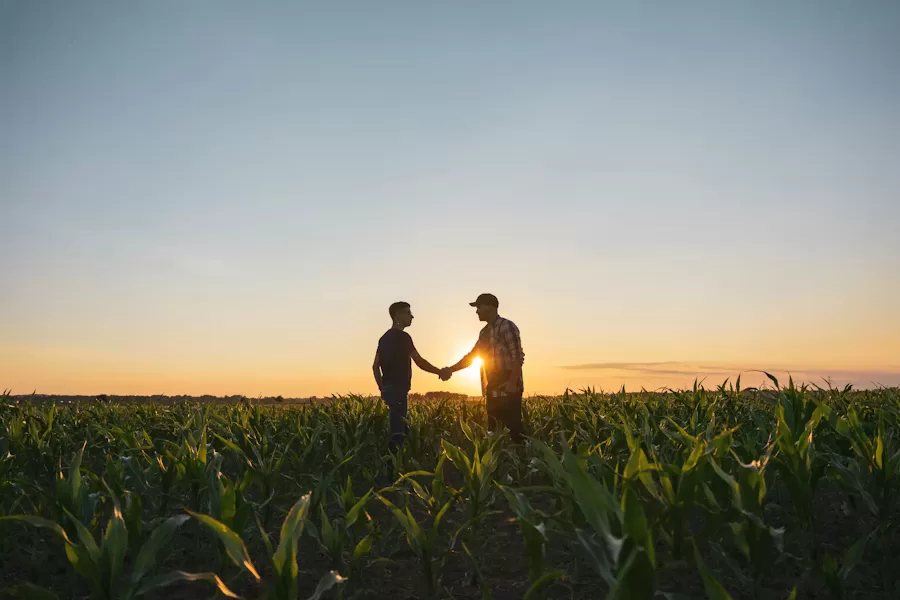
When farming partnerships are built on genuine trust, the benefits extend beyond the two parties involved. Fair-paid farmers invest more in their land, their equipment, and their families' futures. They hire more local labour, spend more in local markets, and often become advocates for better practices within their farming communities. Good partnerships create ripples that improve entire rural economies — one honest handshake at a time.
Explore More Insights
Browse all our articles on smart farming, agri-tech, and sustainable agriculture.
Back to Blog