Maize Cultivation in India: A Crop That Feeds Both People and Livestock
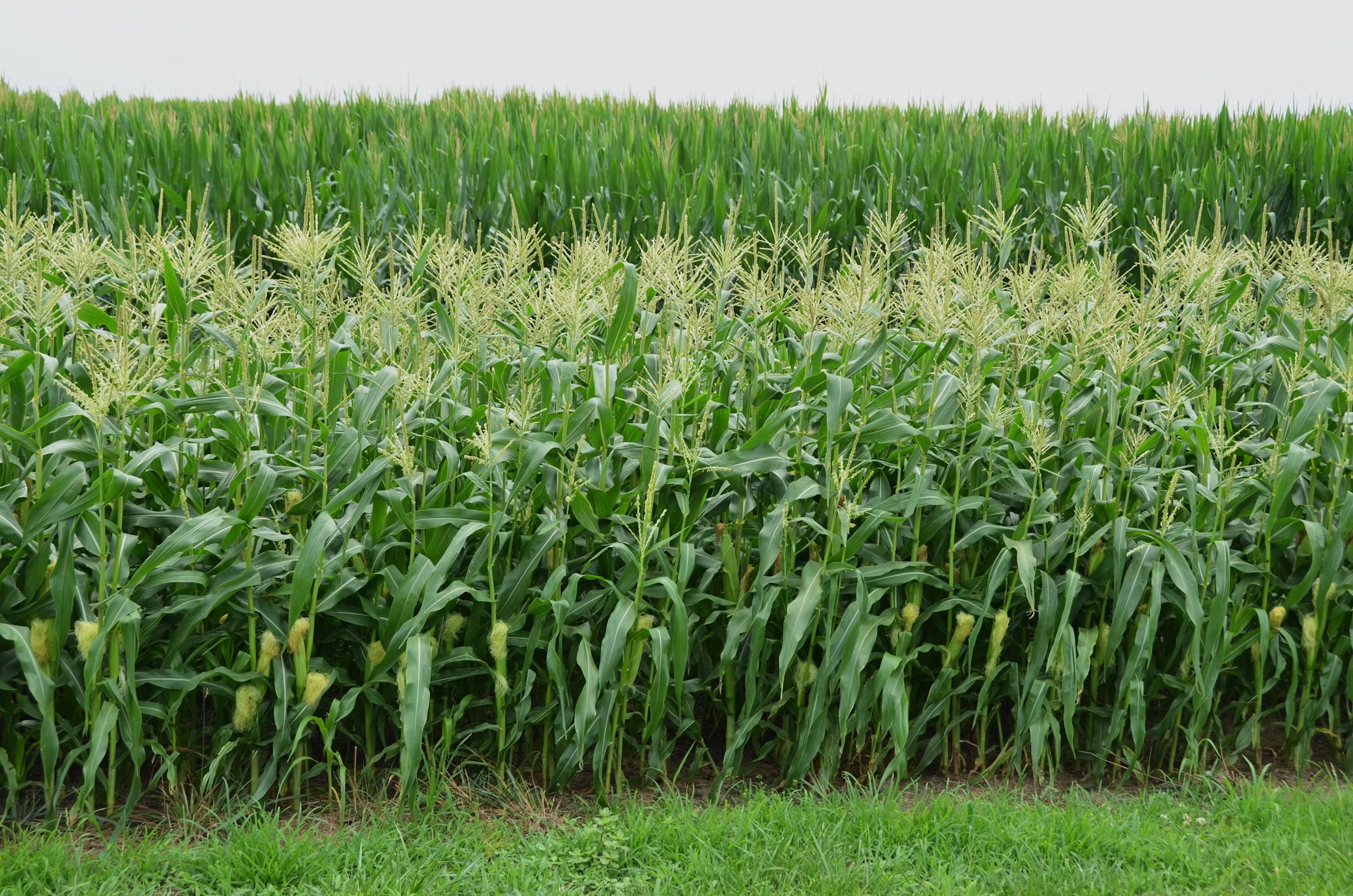
Maize — or corn — is often overshadowed by wheat and rice in discussions of Indian agriculture. Yet this crop quietly underpins a huge proportion of the food and feed supply across the country. From poultry feed to starch manufacturing, from snack foods to biofuel, maize's versatility makes it one of the most strategically important crops a farmer can grow.
Why Maize Deserves More Attention
India is among the world's top ten maize producers, yet average yields lag behind global benchmarks. The gap is not due to poor soil or unfavourable climate — it is largely a practices gap. With the right variety selection, soil management, and timing, Indian farmers can significantly increase their maize output per acre.
Choosing the Right Variety
The first decision in any maize season is variety selection. Key considerations include:
- Maturity duration: Early-maturing varieties (80–90 days) suit areas with limited water availability; full-season hybrids (100–110 days) typically deliver higher yield.
- Disease resistance: Downy mildew and turcicum blight are common threats; always select certified resistant hybrids.
- End use: Feed corn, food corn, and sweet corn have different quality parameters — match the variety to the market.
Soil Preparation and Sowing
Maize performs best in well-drained, loamy soils with a pH between 5.8 and 7.0. Deep ploughing before sowing improves root development. Optimal plant spacing is typically 60 cm between rows and 20–25 cm between plants, depending on variety.
Sowing during the right window matters enormously. For Kharif maize, the ideal window is June to July — aligned with the onset of monsoon rains. Rabi maize, grown in irrigated conditions, is sown from October to November.
Nutrition and Irrigation
Maize is a heavy feeder, particularly of nitrogen. A split application strategy — applying nitrogen at sowing, knee-high stage, and tasselling — improves uptake efficiency and reduces runoff losses. Drip irrigation, where available, consistently outperforms flood irrigation in both water use and yield outcomes.
Harvest and Post-Harvest
Maize is ready for harvest when the husk turns brown and the grain has reached 25–30% moisture content for mechanical harvest, or 18–20% for storage. Proper drying to below 13% moisture is critical to prevent aflatoxin contamination during storage — a significant quality concern for export and food-grade markets.
At Kreevann, maize forms part of our crop rotation strategy — its deep root system helps break soil compaction and its residue, when incorporated, adds organic matter that benefits the following crop.
Explore More Insights
Browse all our articles on smart farming, agri-tech, and sustainable agriculture.
Back to Blog